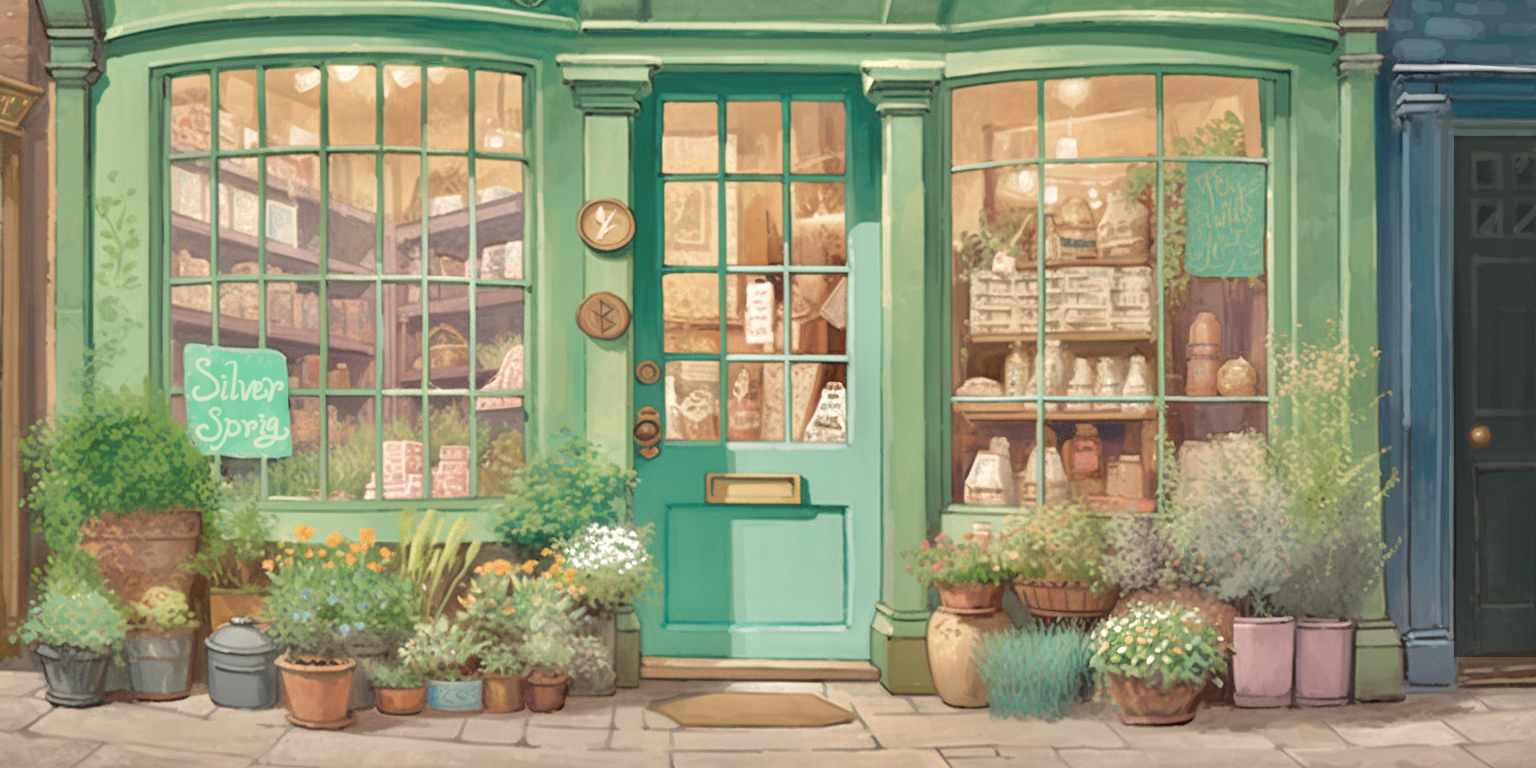
Seven Dials
By midday, the trio had made their way back to Covent Garden.The Elizabeth Line from Liverpool Street to Tottenham Court Road was blissfully painless, a marvel of the Metro world that, to anyone accustomed to the ancient rattle of London’s older tube lines, felt almost magical.
During its construction, the Elizabeth Line had sliced cleanly through the city’s layers of time, unearthing twenty separate archaeological sites—a cross-section of London’s geological and historical past.
Buried deep in the tunnels, archaeologists had discovered a 55-million-year-old piece of amber, fragments of a woolly mammoth’s jawbone, and two separate plague pits from different eras. Dozens of nameless skeletons lay scattered in the earth, silent witnesses to the tragedies of long-forgotten pandemics.
But none of that was the most astonishing thing about the Elizabeth Line.
No, the real miracle was that, unlike the rest of the London Underground, this one was clean.
Pristine, even.
Unlike the century-and-a-half-old rail system, which at times seemed held together by nothing but rust and sheer faith, the Elizabeth Line felt like an entirely different world. There were no walls caked in a century’s worth of grime. No air thick with stale suffocation, metallic rust, or the acrid tang of coal dust. The train glided so smoothly it almost seemed to defy the laws of physics.
“Honestly, it freaks me out,” Kieran muttered, leaning back against his seat as cream-white station tiles flashed past. “It’s too clean. Like we’ve stepped into a parallel universe—one where the London Underground actually functions.”
Chris, sitting across from him, smirked. “You mean a universe where taking a deep breath doesn’t shave years off your lifespan?”
Sydney, sandwiched between them, grinned. “Enjoy it while it lasts. Give it a decade, and it’ll smell just like the Bakerloo Line.”
Kieran gave an exaggerated shudder. “The horror.”
As the train whispered to a halt at Tottenham Court Road, they disembarked and stepped out of the station, emerging into the relentless tide of Oxford Street’s mid-morning crowd—where commuters moved like a current, tourists hesitated at street corners, and double-decker buses let out low, guttural growls as they trundled through the congestion.
They turned off onto a quieter side street, weaving through the throng, and cut through St. Giles-in-the-Fields, taking a shortcut through the old churchyard.
The chapel, dating back to the Saxon era, stood tucked between towering commercial buildings, boutique music shops on Denmark Street, and Forbidden Planet’s shrine to all things geek culture. Its rear courtyard—serene despite the modern world pressing in—remained a final resting place for forgotten poets long turned to dust.
Beyond the church’s rear exit, the crowds thickened once more, carrying them into the Seven Dials district, where seven streets converged beneath the worn stone of a sundial monument. They passed by Monmouth Street, home to London’s most revered coffee sanctuaries, then turned down a narrow, unassuming corridor wedged between colourful storefronts.
The city’s rhythm changed instantly. The noise fell away as though swallowed by unseen hands.
Neal’s Yard was a space between realities, a pocket of quiet carved from the city’s chaos. Here, time seemed to pause, letting the city breathe. Sunlight slipped through narrow spaces between buildings, casting golden reflections against the vibrantly painted walls. Ivy curled around windowpanes, spilling down onto doorframes, while the soft aroma of freshly baked bread mingled with the faintest trace of herbal smoke in the air.
It was always like this—like a forgotten corner of Londinium, untouched, unhurried. A place where the city’s frantic energy ebbed, as if exhaling a breath it didn’t know it had been holding.
Chris pushed open the glass-paneled door of The Silver Sprig, and a familiar warmth greeted them at once. The air was thick with the dry, earthy scent of herbs, woven with the subtle spice of polished wood—a steady, grounding presence that embraced them the moment they stepped inside, a stark contrast to the cold sterility of the Gherkin’s towering modernity.
This scent, warm and unpretentious, belonged to their space.
Behind the counter, Bridget was pouring dried chamomile into a glass jar, a few silver strands slipping loose from her bun as she worked. She glanced up as they entered—
Kieran still looked half-dazed, Sydney was blinking as if reality itself had shifted around her, and Bridget’s knowing smirk deepened.
“So,” she said lazily, brushing stray petals off her hands. “How did it go?”
Chris had already started unfastening the buttons of her coat. Her answer was immediate.
“We got it.”
Bridget’s smirk widened. “Great! Does this mean I can finally kick Kieran out?”
“Oi.” Kieran shot her a look, arms crossing over his chest.
Sydney let out a laugh, a little delayed, like someone still waking up from a dream.
They all knew she was joking. This was never going to be a job in the traditional sense.
There were no desks, no shifts, no corporate handbooks. Chris had made sure of that from the beginning.
She shrugged off her coat, draping it over the chair near the counter, her voice calm as ever.
“We’re still demon hunters. We just work under the Council’s contract now. I don’t expect much to change, except we’ll take jobs more regularly—and get paid better.”
Kieran rocked back on his heels, smirking. “I do feel a bit more grown up now… but don’t expect me to start showing up in shirts and ties anytime soon.”
“As if you even own a tie,” Sydney teased, flashing him a wink as she nudged him lightly with her elbow. “Let alone know how to tie one.”
Chris watched them with a small smile before turning to Bridget. She paused, considering her words, before speaking in her usual measured tone.
“That reminds me—about what we discussed earlier. The office upstairs.”
Bridget waved her off before she could finish.
“Oh, don’t be ridiculous. You lot have been using it already, and it doesn’t make a difference to me. This job won’t change that.” She threw a pointed glance at Kieran, voice teasing but blunt. “Besides, it’s not like you could afford market rates here. This is Covent Garden.”
Kieran grinned and waved a hand. “Financial peril is my natural state of existence.”
Chris, unfazed, met Bridget’s gaze steadily. “That’s generous of you, but I still think we should pay you whatever we can manage.”
Bridget snorted, tucking a stray curl behind her ear. “We’ll see. First, let’s find out if they’re actually paying you well.”
Her gaze flicked past them toward the entrance.
“And look at that—speak of the devil…”
The door chime rang.
Archie stepped inside, composed as ever, every movement polished, precise. A picture of effortless refinement, he carried a brown leather hold-all in one hand, his sharp gaze sweeping over them—cool, observant, assessing.
“Shall I offer my congratulations?” His voice was polite, precise, every word measured. “After all, that’s why I’m here—with your contracts.“
Chris gave a small nod. “Good. We’ll need the office.”
Bridget had already anticipated this. She reached into a small wooden box near the counter and retrieved a set of keys, tossing them toward Chris, who caught them with ease.
“They’re yours now.”
For just a fraction of a second, Bridget’s smirk softened, though her voice remained as dry as ever.
“Just don’t break anything.”
 LONDINIUM TALES
You must be logged in to post a comment.